Antigravity Has No Task Queue: Meet @trigger, Its Real Async Primitive
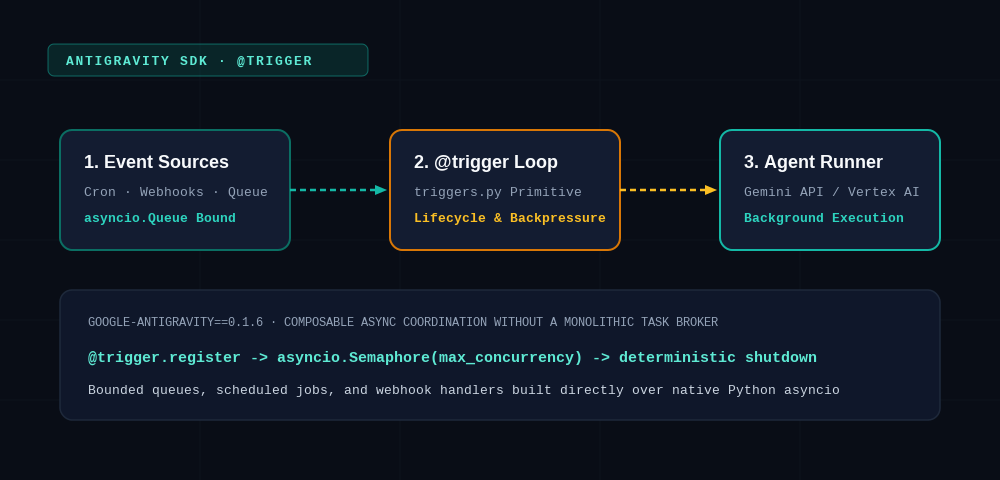
Why the Google Antigravity Python SDK omits a generic task queue and uses Python asyncio with @trigger to compose bounded queues, schedules, and webhooks.
Technical Journal & Publications
Notes on enterprise AI architecture, MLOps, cloud engineering, security, and AI governance, written for engineers and the people who have to sign off on their systems.
Why the Google Antigravity Python SDK omits a generic task queue and uses Python asyncio with @trigger to compose bounded queues, schedules, and webhooks.

How to implement zero-trust privacy controls, reversible anonymization, and Google Cloud Sensitive Data Protection (Cloud DLP) for enterprise GenAI systems.

Defending AI agents against indirect prompt injection using Google ADK security layers, runner-level callback screening plugins, and code-owned tool policies.

Architectural lessons from Vodafone AI Booster on Google Cloud Vertex AI, the platform Google reports cut proof-of-concept to production from about five months to four weeks.
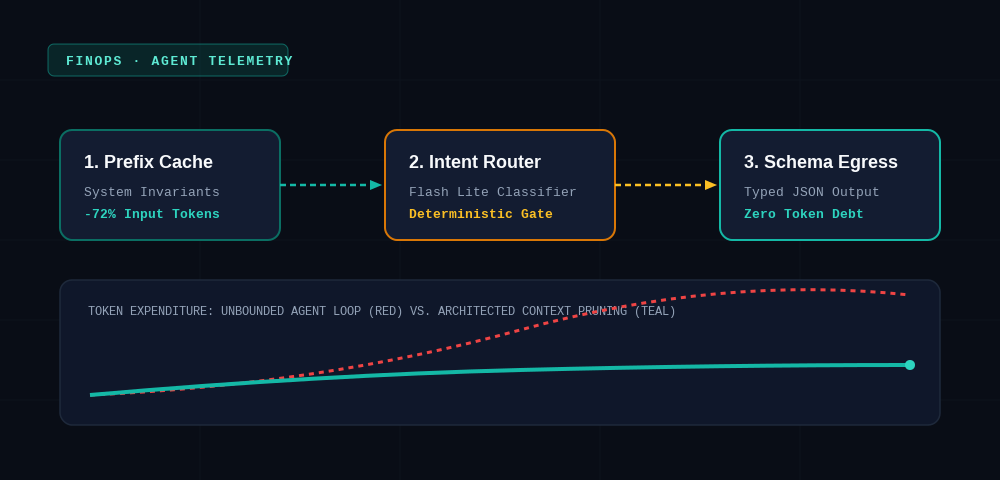
AI cost optimization is often treated as a model selection exercise, but the real savings in agentic systems come from engineering decisions.

Deep dive into porting Andrej Karpathy’s NanoChat LLM architecture from PyTorch to pure JAX and Flax NNX for the AI Google Developer Expert TPU Sprint.
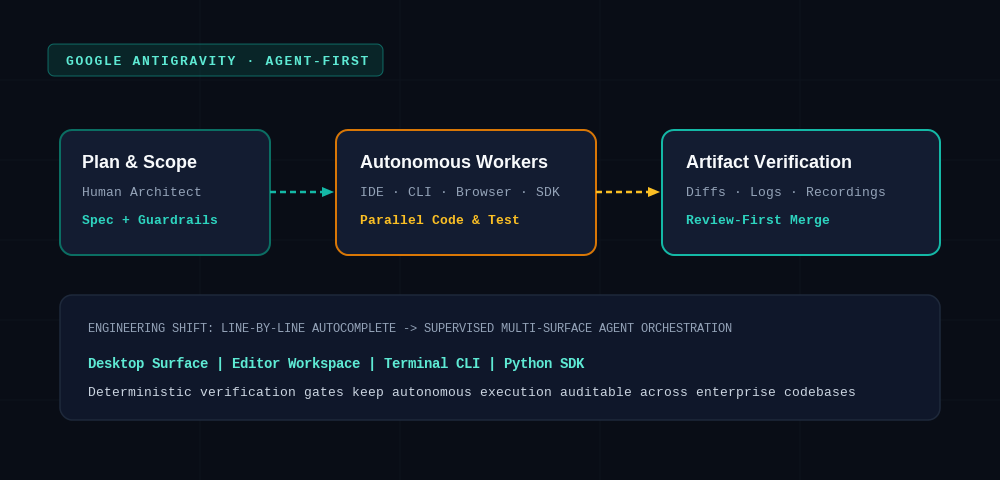
How Google Antigravity shifts software engineering from inline autocomplete toward supervising autonomous agents across editor, terminal, and browser workspaces.
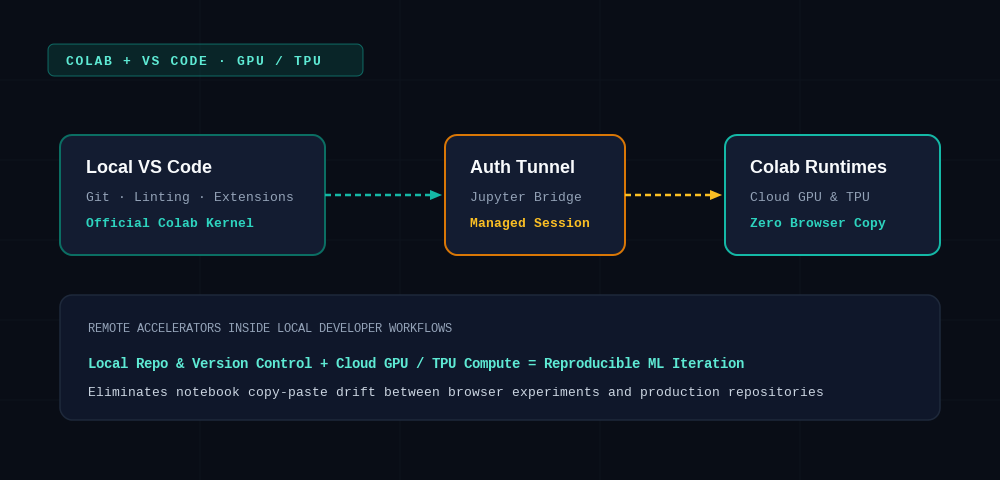
Connecting local Visual Studio Code repositories directly to Google Colab GPU and TPU runtimes without browser notebook copy-paste drift.
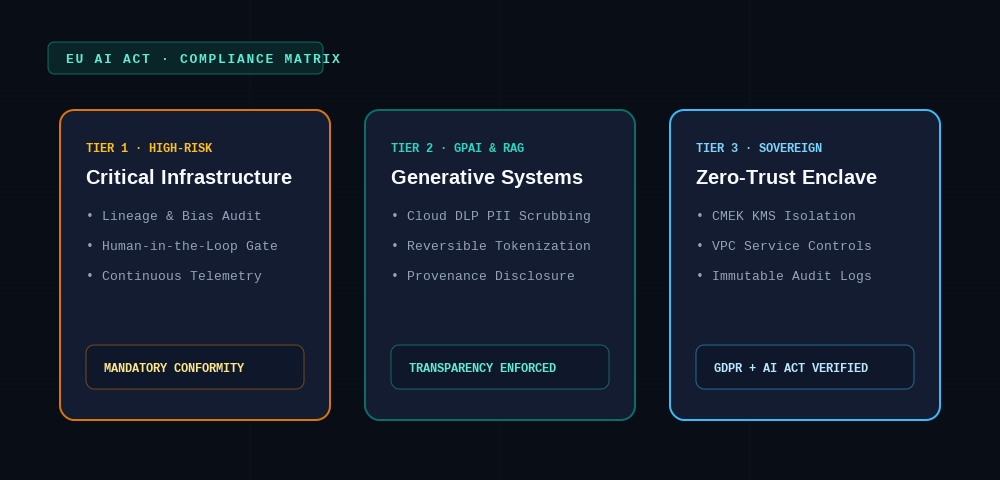
A technical blueprint for aligning enterprise ML pipelines with the risk categories and transparency mandates of the EU AI Act.

Step-by-step methodology for declarative Vertex AI pipeline deployments with automated policy as code and private VPC peering.

Inside reversible-anonymizer on PyPI: Google Cloud Sensitive Data Protection InfoTypes, consistent synthetic replacement, caching strategies, and batch RAG pipelines.
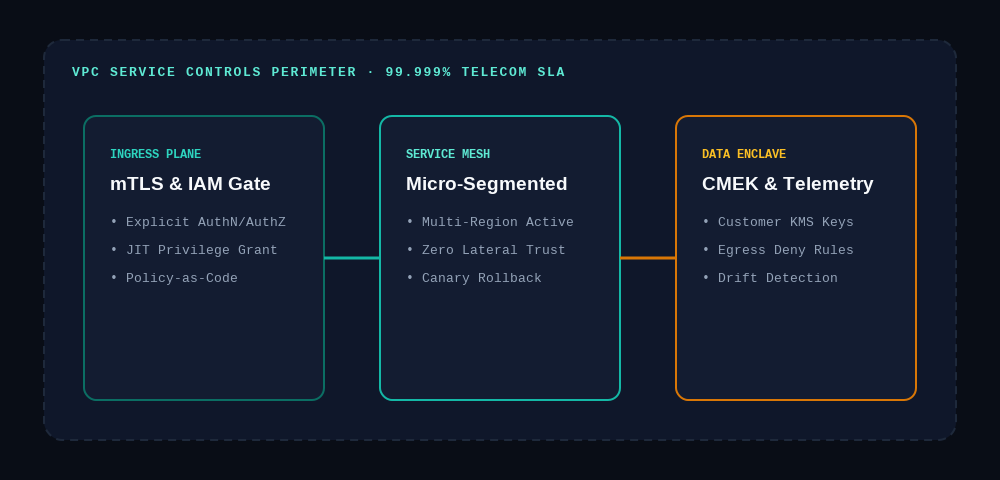
Designing resilient, multi-region cloud infrastructures with zero-trust network segmentation and automated incident mitigation.
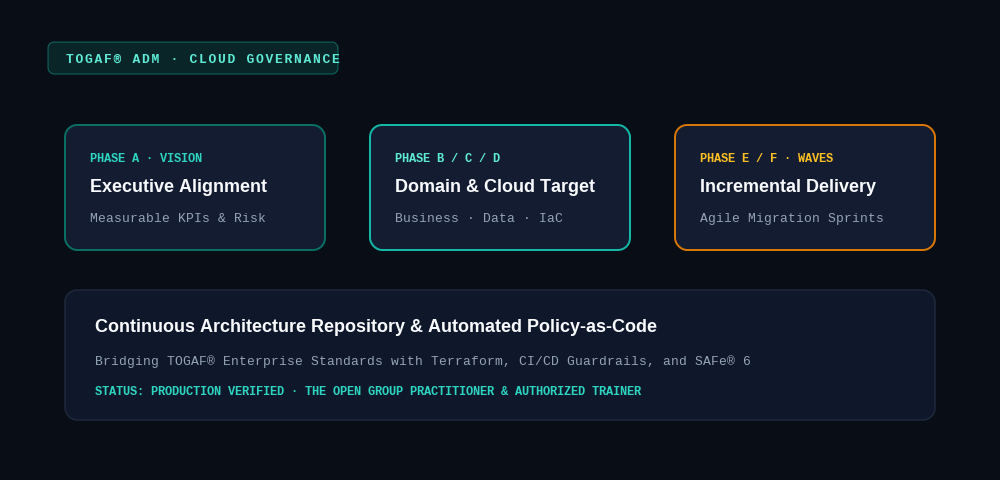
How TOGAF’s Architecture Development Method (ADM) provides structure to large-scale enterprise cloud migrations without slowing down agile teams.
Three books on agentic architecture and development, published under the AINA Press imprint.

What the Exam Tests, and How It Tests It
Exam preparation guide for the Google Cloud Professional Agentic Architect certification. Focuses on architectural judgment calls, scenario distinctions, 240 explained review questions, diagrams, and glossary terms aligned to the October 2026 platform.

From your first prompt to autonomous agents across the desktop, IDE, CLI, and SDK
Practical handbook on running agent-first software engineering across desktop, IDE, CLI, and SDK surfaces with Google Antigravity. Covers review-driven workflows, artifacts, security boundaries, and custom agent plugins.

From Terminal to Agent SDK
A working guide to Claude Code covering the terminal loop, CLAUDE.md conventions, context control, hooks, MCP servers, subagents, and the Agent SDK so agentic coding stays reviewable in production.